


Heat Pump vs. Traditional AC in Pennsylvania: What Homeowners Need to Know
Choosing between a heat pump and a traditional air conditioning system is becoming one of the most common HVAC decisions for homeowners in Pennsylvania. If you’re searching for heat pump installation york pa, heat pump installation lancaster pa, or heat pump service york pa, you’re likely trying to understand whether a heat pump is actually worth it in a cold-climate region like Central Pennsylvania.
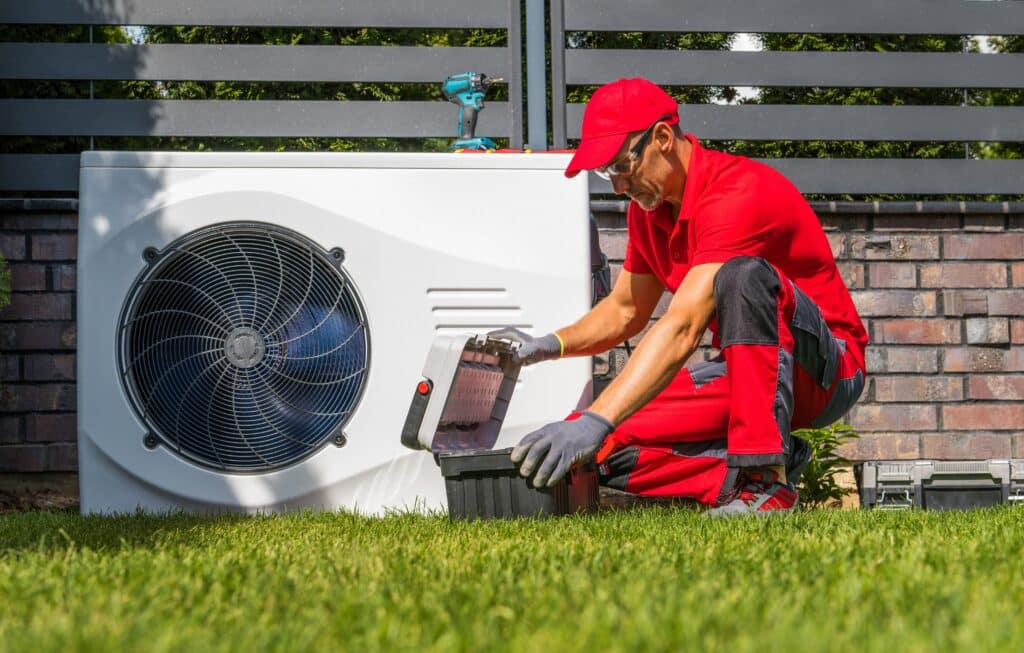
The short answer is: heat pumps are more capable than ever but the right choice depends on your home, budget, and long-term comfort goals.
In this guide, we’ll break down how heat pumps work, how they compare to traditional AC systems, and when each option makes the most sense for homeowners in York, Lancaster, and surrounding areas.
What Is a Heat Pump and How Does It Work?
A heat pump is a two-in-one HVAC system that can both heat and cool your home. Unlike traditional systems that generate heat, a heat pump transfers heat from one place to another.
In summer, it works like a standard air conditioner by removing heat from inside your home and releasing it outside. In winter, it reverses the process and pulls heat from outdoor air to warm your home.
Even when it feels cold outside, there is still heat energy in the air that a heat pump can capture and move indoors.
This dual-function design makes heat pumps highly efficient and increasingly popular across Pennsylvania.
Heat Pump vs. Traditional AC: Key Differences
To understand which system is right for your home, it helps to compare them side by side.
Traditional Air Conditioning System
- Provides cooling only
- Requires a separate furnace or heating system
- Typically lower upfront cost
- Reliable in extreme summer heat
- Common in older Pennsylvania homes
Heat Pump System
- Provides both heating and cooling
- One system replaces both AC and furnace (in many cases)
- Higher upfront cost but better long-term efficiency
- Works efficiently in moderate winter temperatures
- Increasingly popular in modern energy-efficient homes
If your home currently has separate heating and cooling systems, a heat pump can simplify your setup significantly.
How Heat Pumps Perform in Pennsylvania Winters
One of the biggest concerns homeowners have in areas like York and Lancaster is whether heat pumps can handle cold winters.
Modern heat pumps are designed for cold-climate performance, meaning they can operate efficiently even when temperatures drop below freezing. However, performance depends on the system type.
Standard Heat Pumps
- Work well in mild to moderate winter temperatures
- May struggle in extreme cold below 20°F
Cold Climate Heat Pumps
- Designed for colder regions like Pennsylvania
- Maintain efficiency at lower outdoor temperatures
- Increasingly common in modern installations
Many homeowners searching for heat pump installation york pa are now choosing cold-climate models for year-round reliability.
Dual-Fuel Systems: The Best of Both Worlds
For homeowners who want maximum efficiency and reliability, a dual-fuel system is often the ideal solution.
A dual-fuel setup combines:
- A heat pump for efficient heating and cooling
- A gas furnace for backup during extreme cold
How it works:
- The heat pump handles most of the heating and cooling
- The furnace automatically kicks in when temperatures drop too low
This system is especially popular in Pennsylvania because it balances efficiency with winter reliability.
It also helps reduce energy costs while ensuring comfort during harsh cold snaps.
Energy Efficiency: Why Heat Pumps Save Money
One of the biggest advantages of heat pumps is energy efficiency. Instead of generating heat like a furnace, they transfer heat, which requires significantly less energy.
To understand efficiency in cooling systems, we often compare performance using SEER ratings.
SEER (Seasonal Energy Efficiency Ratio) measures how efficiently an air conditioning system operates over a cooling season.
What SEER Means for Homeowners:
- Higher SEER = lower electricity usage
- Lower SEER = higher monthly energy bills
- Modern systems typically range from 14–20+ SEER
Heat pumps often provide better overall efficiency because they eliminate the need for separate heating systems. Over time, this can significantly reduce utility costs.
Even if your current AC still works, it may be costing more to operate than a modern high-efficiency system.
When a Heat Pump Makes the Most Sense
A heat pump is not the perfect solution for every home, but it is ideal in many situations common across Pennsylvania.
You should consider a heat pump if:
- You want both heating and cooling in one system
- Your current furnace and AC are aging
- You are focused on energy savings
- Your home has good insulation
- You want to reduce reliance on gas heating
Homeowners searching for heat pump installation lancaster pa often choose heat pumps during system upgrades or home renovations to improve efficiency.
When a Traditional AC System Is Still the Better Choice
Even with their advantages, heat pumps are not always the best option.
A traditional AC system with a separate furnace may be better if:
- You already have a reliable gas furnace
- You live in an area with extremely harsh winters
- You want lower upfront installation costs
- Your current system only needs AC replacement
In some older homes, upgrading just the AC system while keeping the furnace is more cost-effective.
Maintenance and Repair Considerations
Both heat pumps and traditional systems require regular maintenance to perform efficiently.
Heat Pump Maintenance Includes:
- Seasonal inspections
- Coil cleaning
- Refrigerant checks
- Electrical component testing
Traditional AC Maintenance Includes:
- Cooling system tune-ups
- Furnace inspections (separately)
- Air filter replacement
- Thermostat calibration
Homeowners searching for heat pump service york pa often discover that routine maintenance significantly improves performance and extends system lifespan.
Neglecting maintenance can lead to:
- Reduced efficiency
- Higher energy bills
- Unexpected system failures
Cost Comparison: Heat Pump vs Traditional AC
Cost is one of the biggest deciding factors for homeowners.
Traditional AC System:
- Lower upfront installation cost
- Requires separate heating system
- Higher long-term energy usage
Heat Pump System:
- Higher upfront installation cost
- Lower long-term operating cost
- May replace both AC and furnace
While heat pumps cost more initially, they often provide better long-term value due to energy savings and reduced equipment needs.
Financing options also make modern heat pump installation more accessible for homeowners.
Real-World Comfort Differences
Beyond cost and efficiency, comfort is a major factor in choosing between systems.
Heat Pump Comfort:
- More consistent indoor temperatures
- Better humidity control in summer
- Even heating in winter (in mild conditions)
Traditional AC Comfort:
- Strong cooling performance in peak summer heat
- Reliable furnace heat in extreme cold
- Proven long-term durability
Many homeowners notice that heat pumps provide smoother, more balanced comfort rather than sudden temperature swings.
Local Insight: Why Heat Pumps Are Growing in Pennsylvania
In areas like York, Lancaster, and Lebanon, HVAC trends are shifting. More homeowners are considering heat pumps due to:
- Rising energy costs
- Improved cold-climate technology
- Incentives and rebates for energy-efficient systems
- Demand for all-in-one HVAC solutions
As a result, searches like heat pump installation york pa and heat pump service york pa continue to increase every year.
Which System Should You Choose?
There is no one-size-fits-all answer, but here’s a simple breakdown:
Choose a Heat Pump if:
- You want efficiency and long-term savings
- You prefer a single system for heating and cooling
- You are upgrading an older HVAC system
Choose Traditional AC if:
- You already have a strong furnace
- You want lower upfront costs
- You need maximum performance in extreme winter conditions
The best decision depends on your home, budget, and comfort expectations.
Frequently Asked Questions (FAQs)
1. Is a heat pump better than a traditional AC system in Pennsylvania?
It depends on your needs. Heat pumps are more energy-efficient and provide both heating and cooling, while traditional AC systems are better for lower upfront costs and work alongside a furnace for heating.
2. Can a heat pump handle cold winters in York, Lancaster, and Lebanon PA?
Yes. Modern cold-climate heat pumps can perform well in freezing temperatures. In extremely cold weather, some systems use a backup furnace (dual-fuel setup) for added reliability.
3. Are heat pumps more expensive to install than AC systems?
Yes, heat pumps usually have a higher upfront installation cost. However, they can reduce long-term energy bills because they replace both your heating and cooling systems.
4. How long does a heat pump last?
A well-maintained heat pump typically lasts 10 to 15 years, similar to a traditional AC system. Regular maintenance helps improve performance and extend lifespan.
5. Do heat pumps really save money on energy bills?
Yes. Heat pumps are highly efficient because they transfer heat instead of generating it. This often results in lower monthly energy bills compared to traditional heating and cooling setups.
Talk to the Experts at JX Pro Heating and Cooling
Still unsure which system is right for your home?
At JX Pro Heating and Cooling, we help homeowners across York, Lancaster, Lebanon, and surrounding Pennsylvania areas choose the best HVAC solutions for their needs.
Whether you’re considering a heat pump upgrade or need expert advice on your current system, our team is here to help. Call us today: 717-600-4220
We specialize in honest recommendations, professional installation, and long-term comfort solutions designed to keep your home efficient in every season.