


Why Your AC Is Making Strange Noises (And What Each Sound Means)
A properly functioning air conditioner should be relatively quiet during normal operation. When yours starts making sounds it did not make before, each type of noise points to a specific mechanical problem inside the system. Identifying the sound accurately helps a licensed technician diagnose the issue faster, and knowing which sounds require immediate attention can protect you from more expensive damage down the road.
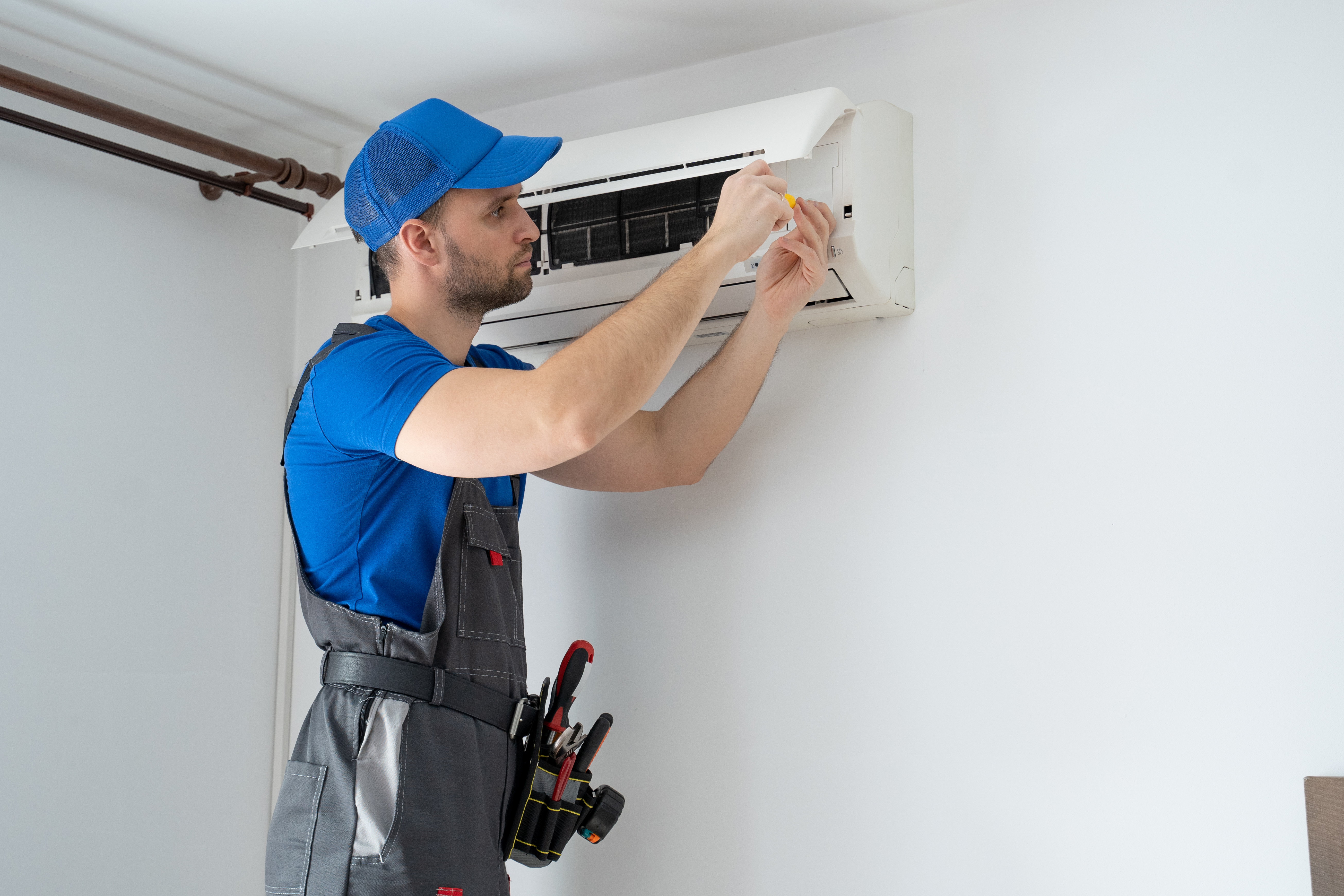
Here is a practical guide to the most common AC noises, what each one typically means, and what York, Lebanon, and surrounding Pennsylvania homeowners should do about it.
Banging or Clanking
A banging or clanking sound from your AC system is one of the more urgent noises to take seriously. It almost always indicates that something inside the unit has come loose or broken and is making contact with other components during operation.
What it usually means:
• A loose or broken blower wheel hitting the housing inside the air handler
• A failed compressor rod or piston that has come loose inside the compressor housing
• A loose fan blade on the outdoor condenser unit striking debris or the unit housing
• A broken mount allowing a component to shift position during operation
Banging sounds should not be ignored. Continued operation when something is loose or broken accelerates damage to surrounding components. Turn the system off and call a licensed technician for diagnosis.
Squealing or Screeching
A high-pitched squealing or screeching sound from your air conditioner typically involves a belt or a bearing. Both are wear items that degrade over time.
What it usually means:
• A worn or slipping blower motor belt on older belt-drive air handler systems (less common on modern systems, which use direct-drive motors)
• A failing blower motor bearing that needs lubrication or replacement
• A failing fan motor bearing on the outdoor condenser unit
A persistent squeal that started recently and is getting louder is a sign the component is approaching failure. Addressing it during a service visit is far less expensive than replacing a seized motor after it fails completely.
According to the American Society of Heating, Refrigerating and Air-Conditioning Engineers (ASHRAE), motor bearing failures are among the most common causes of blower assembly replacement in residential HVAC systems and are almost always preceded by audible warning signs.
Hissing
A hissing sound from your AC unit, especially one that is persistent or comes from the area of the refrigerant lines or indoor air handler, is a significant warning sign.
What it usually means:
• A refrigerant leak at a fitting, valve, or along the copper refrigerant lines
• A leaking refrigerant metering device or expansion valve
• High pressure buildup escaping through a seal or connection
Refrigerant under high pressure produces a hissing or bubbling sound as it escapes a leak point. A system that is hissing is losing refrigerant, which reduces cooling capacity, causes the compressor to work harder, and eventually leads to compressor failure if unaddressed.
Under EPA Section 608 regulations, refrigerant leaks above a specified threshold must be repaired, and refrigerant must be recovered by EPA-certified technicians. Homeowners should not attempt to handle refrigerant. Call a licensed professional when you hear persistent hissing.
Clicking
A single click when your AC starts and stops is completely normal. It is the sound of electrical relays engaging and disengaging as the system cycles. Clicking that is rapid, repetitive, or continuous during operation is a different matter.
What it usually means:
• A failing capacitor or contactor that is struggling to hold the electrical circuit during startup
• A failing thermostat that is not completing the signal circuit cleanly
• A relay that is rapidly cycling on and off due to a voltage or wiring problem
• A failing compressor that is attempting to start but cannot maintain operation
Rapid clicking at startup is often the first sign of a failing capacitor, which is one of the most common AC repair items. Capacitors store electrical charge and give the compressor and fan motors the boost they need to start. When a capacitor weakens, the motor struggles, and you hear repeated clicking as it attempts to start.
Buzzing
A buzzing sound from the outdoor unit or indoor air handler points to electrical problems in most cases, though it can also come from a loose component vibrating against the unit housing.
What it usually means:
• A failing contactor relay that is buzzing under electrical load
• Loose wiring or electrical connections vibrating
• A failing condenser fan motor
• A refrigerant issue causing abnormal pressure that produces vibration
• A loose panel on the outdoor unit vibrating during operation
Electrical buzzing that comes from inside the disconnect box or near the wiring connections at the outdoor unit is a sign that needs prompt professional attention. Loose electrical connections in HVAC systems can arc and create fire risk if left unaddressed.
Rattling
Rattling sounds are often debris-related or involve loose hardware, but they can also point to mechanical problems inside the system.
What it usually means:
• Leaves, twigs, or debris inside the outdoor condenser unit striking the fan blade (common in spring and fall)
• Loose screws or panels on the outdoor unit or air handler cabinet
• A loose blower wheel that has lost its set screw and is wobbling on the motor shaft
• A loose heat shield inside the air handler
Debris in the outdoor unit is the most common source of rattling and is easy to address. Turn off the unit, remove the top panel, and clear any debris from inside the condenser. If rattling continues after clearing debris, the noise is mechanical and needs a technician.
Bubbling or Gurgling
A bubbling or gurgling sound from your AC system typically involves liquid, either water in the condensate drain system or refrigerant in the refrigerant lines.
What it usually means:
• A partially clogged condensate drain line where water is backing up and air is gurgling through it
• A refrigerant leak where refrigerant and air are mixing in the line, producing a bubbling sound
• A cracked drain pan that is draining unevenly
A gurgling drain line is often a simple fix involving clearing a clog in the condensate drain. However, if the gurgling comes from the refrigerant lines or near the indoor coil, it suggests refrigerant is mixing with air, which means there is a leak that needs professional diagnosis and repair.
What Homeowners in York and Lebanon PA Should Do
Central Pennsylvania homes are in a climate where air conditioners run hard from late May through September. Many of the component failures that produce these sounds, particularly capacitor degradation, bearing wear, and refrigerant line fatigue, develop gradually and are detectable during annual professional maintenance before they become audible failures.
When you hear a new sound from your AC system:
1. Note when the sound occurs (startup, shutdown, during operation, or continuously).
2. Note where the sound comes from (indoor air handler, outdoor unit, or the refrigerant lines connecting them).
3. Turn the system off if the sound is loud, sudden, or accompanied by reduced cooling or a burning smell.
4. Call a licensed technician to diagnose the specific cause before running the system further.
Running an AC system that is banging, hissing loudly, or clicking rapidly risks turning a repairable problem into a compressor replacement.
JX Pro Heating and Cooling has served York, Lebanon, and surrounding Pennsylvania communities for over 15 years. Our technicians hold Pennsylvania HVAC contractor License PA203730 and EPA Section 608 certification. We carry 132-plus verified Google reviews at a 5-star rating. Read them at Google, and verify our BBB accreditation at the Better Business Bureau.
If your AC is making a sound that concerns you, our AC repair team diagnoses the root cause accurately and provides a clear price before starting any work. For urgent situations, our emergency AC repair service responds within one hour. Annual AC maintenance catches deteriorating bearings, capacitors, and refrigerant levels before they become audible failures.
Call JX Pro Heating and Cooling at 717-600-4220 to schedule a diagnostic visit for your York or Lebanon area home.