



Why Your AC Keeps Tripping the Circuit Breaker
A circuit breaker that trips once during an electrical storm or a power fluctuation is not unusual. A circuit breaker that trips when you run your air conditioner, resets, and trips again is telling you something specific: your AC system is drawing more current than the circuit is designed to handle, or there is a fault somewhere in the electrical system.
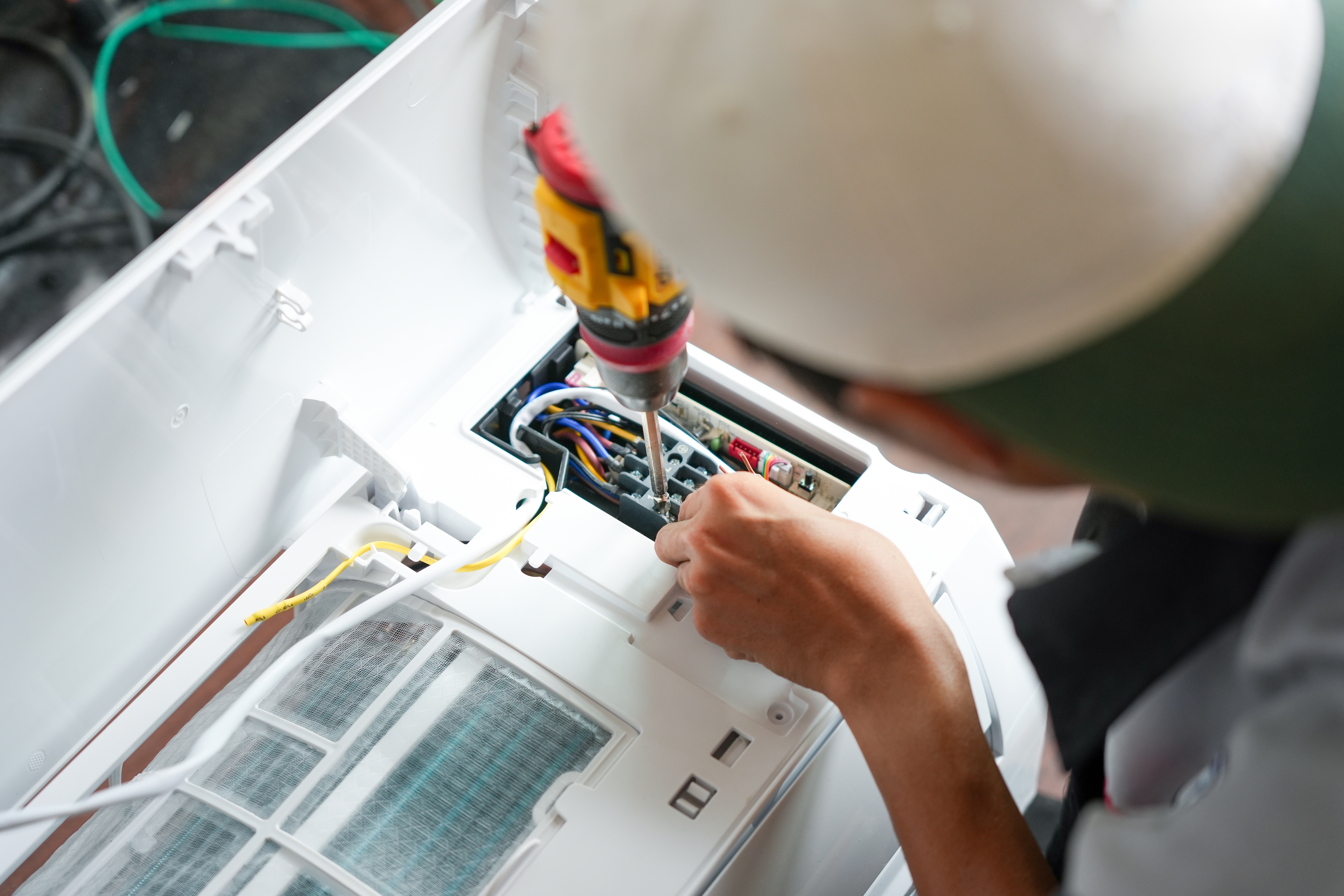
This is not a problem to reset and ignore. Repeated breaker trips either indicate a genuine electrical fault that can become dangerous, or a mechanical problem inside the AC system that is creating an excessive electrical load. Here is what causes it and what York, Lebanon, and surrounding Pennsylvania homeowners should do about it.
Why Circuit Breakers Trip in the First Place
A circuit breaker is a safety device designed to interrupt electrical flow when current exceeds the circuit’s rated capacity. Your AC system runs on a dedicated circuit, typically 20 to 60 amps depending on the system size, because it draws significantly more current than most household appliances.
When the breaker trips, it means one of two things: the circuit is drawing more current than the breaker is rated for, or there is a ground fault or short circuit that caused an immediate trip. Understanding which type of trip you are experiencing helps narrow down the cause.
Cause 1: Dirty Air Filter or Condenser Coil Restricting Airflow
This is the most preventable cause of breaker trips. When airflow is severely restricted, the compressor has to work harder to move refrigerant through the system. A harder-working compressor draws more current. If current demand climbs high enough, the breaker trips.
A clogged air filter reduces airflow across the evaporator coil. A fouled condenser coil reduces the system’s ability to reject heat outside. Both cause the compressor to work under abnormal load.
The U.S. Department of Energy identifies dirty coils and filters as leading contributors to compressor overload and premature failure. Checking the filter first is always the right starting point before assuming a deeper electrical problem.
Cause 2: Failing Capacitor
The capacitor is the component that gives the compressor and fan motors the initial burst of electrical energy needed to start. When a capacitor weakens, the motors must draw more current directly from the circuit to achieve startup. That increased current draw can push the circuit past the breaker’s threshold.
A failing capacitor often causes the system to try and start, pull a surge of current, trip the breaker, reset, and repeat the cycle. The compressor may hum briefly before the breaker trips, which is a recognizable sign of capacitor failure.
Capacitor replacement is one of the most common AC repairs and is a relatively straightforward fix for a licensed technician. However, capacitors store a significant electrical charge even when the system is off and can cause serious injury if mishandled. This is not a homeowner repair.
Cause 3: Failing Compressor Drawing Excessive Current
The compressor is the most electrically demanding component in the AC system. As compressors age and wear internally, they can begin drawing more current than designed, a condition sometimes called a “hard start” that can be mitigated temporarily with a hard-start kit or capacitor upgrade.
A compressor that has developed an internal short circuit or ground fault will trip the breaker immediately and repeatedly, often with a burning smell from the outdoor unit. This is a serious failure that typically warrants a full system evaluation, since compressor replacement on an older system often makes replacement a better financial decision than repair.
Cause 4: Low Refrigerant
When refrigerant level drops below the correct charge due to a leak, the system’s operating pressures become abnormal. The compressor can overheat trying to compensate, which causes it to draw excess current and trip the breaker.
A system that trips the breaker on hot days when it is working hardest, but operates for a while before tripping, is often a sign of low refrigerant causing the compressor to overheat under heavy load. The breaker trip is the system’s last-resort protection against catastrophic compressor damage.
Under EPA Section 608 regulations, refrigerant must be recovered and leaks must be repaired by EPA-certified technicians before recharging. Simply adding refrigerant without finding and fixing the leak is not a proper repair.
Cause 5: Wiring or Electrical Connection Problems
Loose, corroded, or damaged wiring inside the AC system or at the disconnect box near the outdoor unit can cause arcing or resistance that generates heat and creates abnormal current conditions that trip the breaker.
Wiring problems are particularly common in systems that have been in place for more than 10 years, or after extreme weather events that may have created vibration in the system. A burning smell from the outdoor unit or disconnect box alongside a breaker trip is an immediate indicator of a wiring problem.
The National Fire Protection Association (NFPA) identifies faulty electrical connections as a leading cause of residential electrical fires. An AC system with loose or arcing wiring is a fire risk and should be shut off and inspected by a licensed technician immediately.
Cause 6: The Circuit Breaker Itself Is Failing
Circuit breakers have a service life. After years of normal operation and repeated trips, the internal mechanism can weaken and begin tripping at current levels below its rated threshold. If a licensed electrician or HVAC technician has ruled out all the AC-side causes above, the breaker itself may need replacement.
This is more common in older homes with original electrical panels. A breaker that trips at normal operating current rather than at a genuine overcurrent condition is a breaker that needs replacement.
What You Should and Should Not Do
Safe homeowner steps:
1. Check and replace the air filter if it is clogged.
2. Reset the breaker once and see if the system starts normally. If it trips again within a few minutes, do not reset it again.
3. Inspect the outdoor unit for obvious issues such as debris blocking airflow or visible damage to wiring.
4. Note whether the breaker trips at startup, during operation, or immediately.
Do not:
• Reset a tripped breaker more than once without identifying the cause. Repeated resets on a faulted circuit risk wiring damage and fire.
• Replace the breaker with a higher-amp unit to stop it from tripping. This removes a safety device and creates serious fire and equipment damage risk.
• Open the outdoor unit or disconnect box. High-voltage components inside pose serious electrocution risk.
Why This Matters More During Pennsylvania Summers
Central Pennsylvania heat waves push AC systems to their maximum output for extended periods. Many of the causes above, particularly capacitor degradation and low refrigerant, create conditions where the system functions marginally most of the time but fails under peak heat load. The hottest week of summer is when these failures surface, which is exactly when you least want to be without air conditioning.
Annual spring maintenance by a licensed technician catches capacitor decline, refrigerant pressure anomalies, and connection issues before they become breaker trips in July.
JX Pro Heating and Cooling serves York, Lebanon, and surrounding Pennsylvania communities with licensed AC repair and electrical diagnosis. Our technicians hold Pennsylvania HVAC contractor License PA203730 and EPA Section 608 certification for refrigerant work. We carry 132-plus verified Google reviews at a 5-star rating. Read them at Google.
If your AC keeps tripping the breaker, our AC repair team diagnoses the specific cause and provides a clear price before starting any work. For situations where the system has stopped working entirely, our emergency AC repair service responds within one hour. Prevent most of these causes with annual AC maintenance that catches capacitor degradation and refrigerant issues before they become electrical emergencies.
Call JX Pro Heating and Cooling at 717-600-4220 to schedule a diagnostic visit throughout York, Lebanon, and surrounding central Pennsylvania.