

How to Protect Your Heating System from Voltage Fluctuations and Power Surges
Homeowners in York, PA know how essential a reliable heating system is during cold winter months. But even the best furnace or heat pump can fail if sudden voltage changes hit your home’s electrical system. Power surges and voltage fluctuations might seem like minor events, but they can cause long-term damage to sensitive components inside your heating equipment. Protecting your system from these issues isn’t just about preventing repairs; it’s about ensuring safe, steady operation and extending the life of your investment.
What Happens During a Power Surge or Voltage Fluctuation
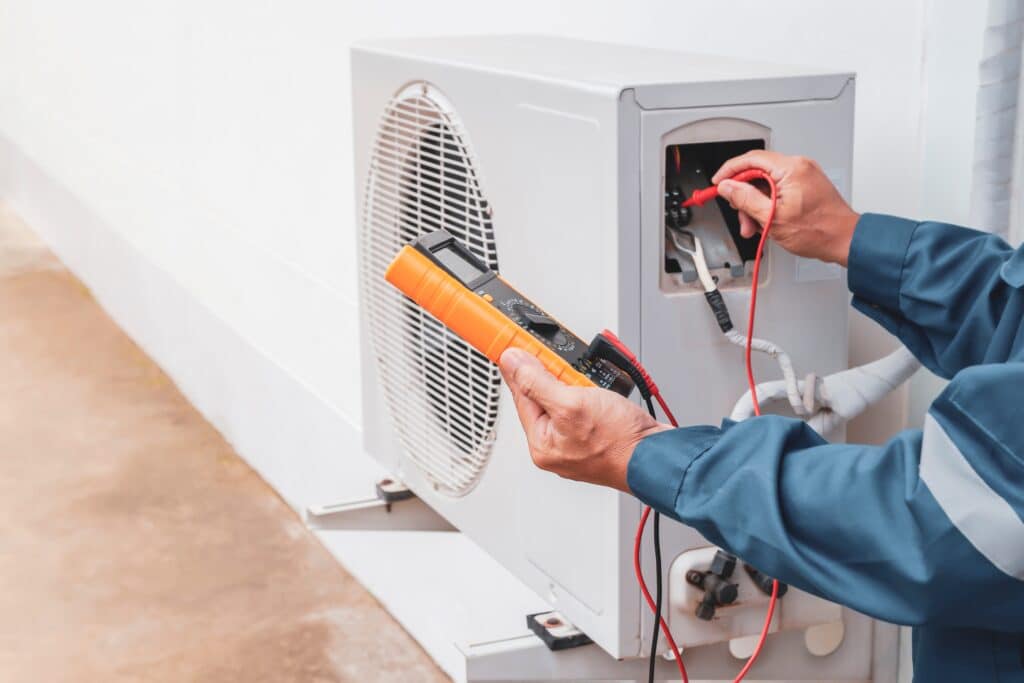
A power surge is a sudden spike in electrical current that exceeds what your system is built to handle. This can happen during storms, utility grid problems, or when large appliances cycle on and off. Voltage fluctuations, on the other hand, are smaller, repeated changes in voltage levels. These dips and spikes wear down heating system components over time. Circuit boards, compressors, and motors inside your furnace or heat pump are particularly sensitive. Even a short surge can fry a control board or trip safety switches that stop your system from running properly.
Common Causes of Power Surges in Homes
While lightning strikes are the most dramatic cause of power surges, they’re not the only one. Utility grid switching, faulty wiring, or overloaded circuits can send excess electricity through your home. Appliances like refrigerators or air conditioners can also trigger internal surges when they start up. In older homes around York, PA, outdated wiring and insufficient grounding increase the risk. When these small surges happen repeatedly, they slowly weaken your heating system’s internal electronics until a complete failure occurs.
How Voltage Fluctuations Affect Your Heating System
Voltage fluctuations may seem less severe than a full surge, but they are often more damaging in the long run. Repeated low-voltage drops force your furnace or heat pump motors to work harder, overheating them and wearing out their insulation. High-voltage spikes can stress capacitors and electronic controls, leading to premature burnout. You might notice symptoms like short cycling, tripped breakers, or unusual system noises. These small signs can point to underlying voltage problems that need to be addressed before they cause a complete system shutdown.
The Role of Surge Protectors in Heating System Safety
A high-quality surge protector acts like a shield for your heating equipment. It detects excess voltage and diverts it safely away from sensitive components. Whole-home surge protectors are installed at your electrical panel and protect every connected appliance, including your HVAC system. Smaller, dedicated surge protectors can be added directly to your furnace or heat pump for extra defense. By preventing voltage spikes from reaching key parts, these devices reduce the risk of system failure and extend equipment life. Professional HVAC technicians can recommend the right type of surge protection for your setup.
Why Professional Installation Matters
Protecting your heating system from electrical problems isn’t a DIY project. A professional technician can inspect your home’s electrical system to identify weak points that make surges more likely. They’ll check grounding, panel capacity, and connection integrity before installing any protective devices. An expert installation ensures the surge protector is properly rated for your system’s load and is grounded correctly. Poorly installed protection devices can fail when they’re needed most, leaving your heating system vulnerable.
Smart Thermostats and Surge Protection
Many modern heating systems use smart thermostats that rely on constant power and sensitive electronic circuits. A sudden surge can easily damage these devices, causing your heating system to lose communication or stop responding. Adding surge protection to both the main unit and thermostat helps prevent data loss and component burnout. Technicians can also install low-voltage protection devices that guard thermostat wires against transient spikes that occur when power returns after an outage.
Backup Power Options for Heating Systems
During extended power outages or voltage instability, having a backup power plan helps protect your heating equipment. Whole-home generators or battery backup systems keep the furnace and essential components running safely. These systems provide stable power output that prevents the damage caused by repeated shutdowns and restarts. An electrician or HVAC specialist can recommend a compatible backup option based on your home’s setup and heating load requirements.
How Homeowners in York Can Minimize Electrical Risks
York experiences frequent weather changes that can lead to power interruptions. Homeowners often face surges after storms or utility maintenance work. Here are simple steps you can take to lower your risk:
- Unplug non-essential appliances during heavy storms
- Schedule an annual HVAC inspection to test electrical safety
- Install a whole-home surge protector
- Have the wiring checked by a qualified technician
- Keep heating components clear of dust and debris that can affect voltage flow
Taking these precautions reduces the stress on your heating system and ensures it runs safely through every season.
FAQs About Protecting Heating Systems from Voltage Fluctuations in York, PA
1. Can power surges damage my furnace permanently?
Yes, a strong surge can destroy the furnace’s circuit board or other electronic parts, leading to costly replacements.
2. Are surge protectors enough to prevent all electrical damage?
Surge protectors handle most voltage spikes, but regular system inspections ensure no hidden wiring issues exist.
3. How often should surge protectors be replaced?
They should be inspected annually and replaced every few years, especially after severe storms or major surges.
4. Do generators help protect heating systems from surges?
Yes, generators provide consistent power and prevent harmful fluctuations that occur during outages.
5. What are the signs that my heating system was affected by a voltage issue?
Frequent tripped breakers, error codes, and inconsistent heating performance often indicate voltage damage.
Call JX Pro Heating and Cooling at 717-600-4220 for expert surge protection and heating system maintenance in York, PA.