



What Actually Happens During an HVAC Tune-Up (And What Technicians Are Checking For)
A lot of homeowners schedule annual HVAC tune-ups without knowing exactly what they are paying for. That ambiguity makes it hard to evaluate the service, compare providers, or understand what was found at the end of the visit. This guide explains precisely what a thorough professional tune-up covers, why each task matters, and what questions to ask your technician when it is done.
Why Tune-Ups Are Structured Differently for Cooling and Heating
An HVAC tune-up is not a single fixed checklist. The tasks performed depend entirely on the type of system being serviced. A central air conditioning tune-up focuses on refrigerant circuit health, coil condition, and condensate drainage. A furnace tune-up centers on combustion safety, heat exchanger integrity, and control sequence verification. A heat pump tune-up combines elements of both. A ductless mini-split has its own specific procedures.
A reputable technician will tell you exactly which system they are servicing and walk through the findings for that specific equipment before they leave. The following sections cover each major system type.
AC and Cooling System Tune-Up: What Gets Checked
Refrigerant pressure
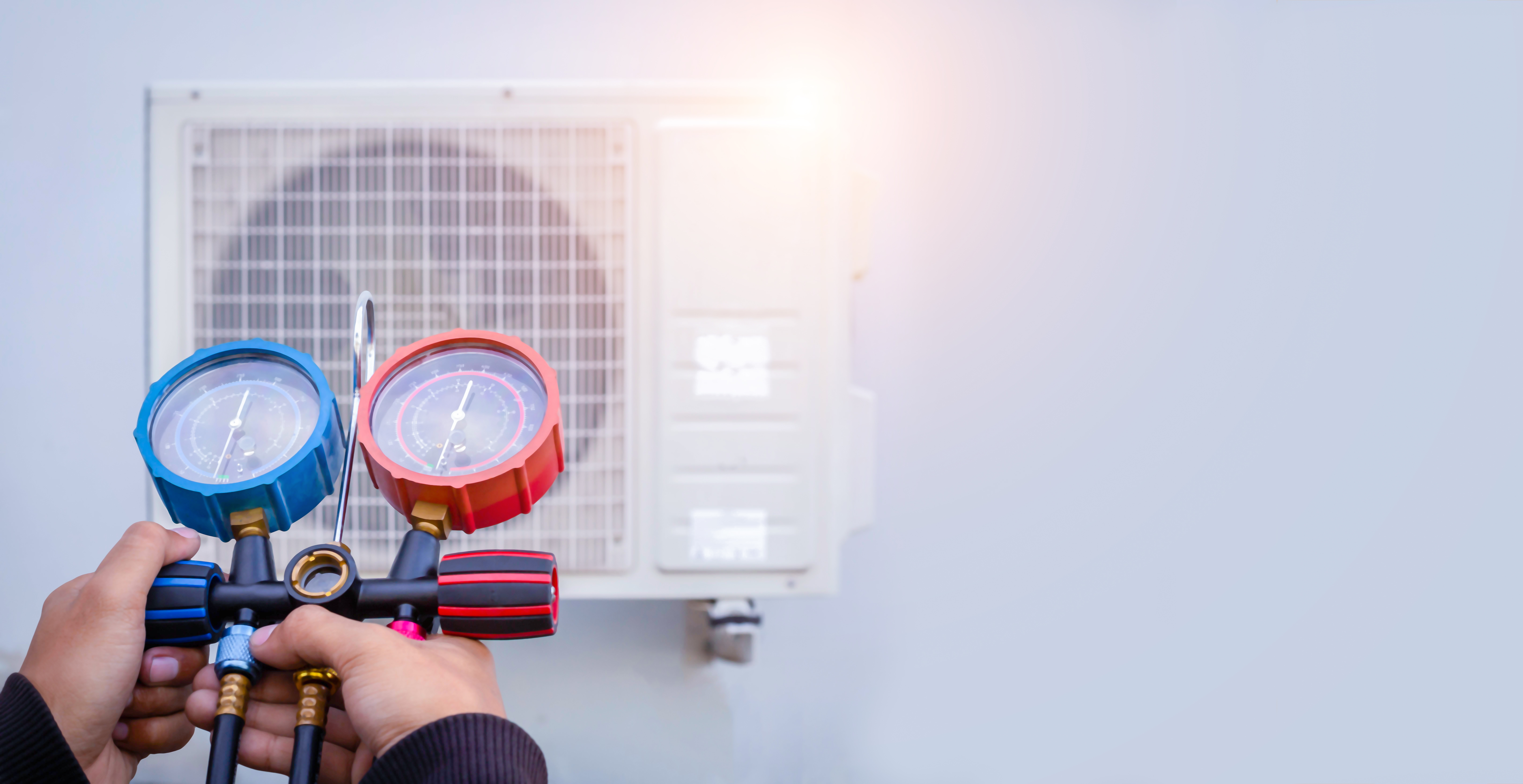
Refrigerant pressure is measured at both the high-pressure and low-pressure sides of the system using gauges connected to the service ports. Pressure readings tell the technician whether the refrigerant charge is correct for the current outdoor temperature. An undercharged system is losing refrigerant through a leak. An overcharged system was improperly filled. Neither condition resolves on its own.
Evaporator coil inspection and cleaning
The evaporator coil inside the air handler accumulates dust and organic material even with a clean filter, because no filter captures every particle. A coated coil surface reduces heat transfer efficiency and can become a substrate for mold growth. The technician inspects the coil for fouling, applies coil cleaner if needed, and confirms the coil is draining correctly.
Condenser coil inspection and cleaning
The outdoor condenser coil collects grass clippings, cottonwood seeds, pollen, and general outdoor debris across the cooling season. The technician inspects the coil fins and cleans them if needed using low-pressure water rinsing from the inside out. Bent or damaged fins are carefully straightened. The Air Conditioning Contractors of America (ACCA) identifies clean coils as one of the most impactful factors in maintaining rated system efficiency.
Condensate drain flush
The condensate drain line removes the moisture the system extracts from indoor air. In Pennsylvania’s humid summers, an AC system producing significant condensate can clog a drain line within a single season. The technician flushes the drain line, clears any biological growth, and confirms water is draining freely from the pan.
Electrical component inspection
The technician checks capacitor microfarad ratings against specification and tests contactor condition. Capacitors that test low are often replaced proactively, since a capacitor that tests at 80 percent of rated capacity in spring will likely fail at the first sustained heat wave of summer. Electrical connections are tightened and inspected for corrosion.
Thermostat calibration and operation verification
The technician confirms the thermostat reading matches a calibrated reference thermometer, verifies that the system responds correctly to thermostat commands, and checks that the staging or variable-speed controls are functioning as intended.
Filter replacement
A new filter is installed at each maintenance visit. The technician advises on the correct filter type for your system and the appropriate replacement interval between professional visits.
Furnace and Heating System Tune-Up: What Gets Checked
Heat exchanger inspection
The heat exchanger separates combustion gases from the heated air circulated through the home. The technician performs a visual inspection using a flashlight and mirror for visible cracks, and uses a combustion analyzer to detect gas migration that can indicate hairline cracks not visible to the eye. A cracked heat exchanger is a safety issue that warrants immediate attention.
Combustion analysis
A combustion analyzer measures oxygen, carbon monoxide, and carbon dioxide levels in the flue gases to confirm that combustion is complete and safe. The ideal combustion reading shows high CO2, low CO, and correct oxygen levels. Readings outside specification indicate burner adjustment is needed.
Burner cleaning
Furnace burners accumulate residue from the combustion process over time. Dirty burners produce uneven or incomplete combustion, wasting fuel and potentially producing elevated carbon monoxide levels. The technician removes and inspects the burners, cleaning them as needed to restore full, even flame across all ports.
Ignition system testing
The ignitor is checked for resistance or continuity depending on type. A hot-surface ignitor that tests within spec today but at the lower end of its tolerance range may fail before the next heating season. The technician can advise on preemptive replacement versus monitoring.
Flame sensor cleaning
The flame sensor is the component that confirms the burners have lit before allowing the gas valve to stay open. Oxidation on the sensor rod prevents accurate flame detection and causes the furnace to shut down within seconds of ignition. Cleaning the sensor with fine steel wool takes minutes during a tune-up and prevents a no-heat call that would otherwise require a service visit.
Safety control testing
The technician tests the high-limit switch, pressure switch, and rollout switch to confirm they trip at the correct thresholds and reset properly. These are the fail-safe controls that prevent dangerous overheating and gas buildup. Testing them confirms they will function correctly if a problem occurs.
Flue inspection
The flue connection, flue pipe, and exterior termination point are inspected for corrosion, disconnection, blockages from nests or ice, and proper draft. A compromised flue can cause carbon monoxide to back-draft into the home rather than exhaust safely outdoors.
Blower motor inspection
Motor amperage draw is checked against the rated specification on the motor nameplate. A motor drawing significantly above its rated amperage is working harder than it should, often due to a worn bearing, a dirty blower wheel, or belt tension issues on belt-drive systems. A motor drawing near its upper limit is a candidate for monitoring or preemptive replacement before it fails under winter load.
Ductless Mini-Split Tune-Up: What Gets Checked
Ductless mini-split maintenance is distinct from central system maintenance and requires specific procedures that differ from both furnace and central AC service.
• Indoor air handler filter cleaning: Mini-split filters are washable and should be removed, rinsed, dried, and reinstalled. Most manufacturers recommend this every four to six weeks by the homeowner, but a professional cleaning goes deeper, including cleaning the coil behind the filter.
• Indoor coil inspection and cleaning: The evaporator coil in each air handler accumulates dust and biological growth in the moist environment behind the washable filter. Coil cleaning restores airflow and heat transfer efficiency.
• Refrigerant pressure verification: Refrigerant pressure is checked at the outdoor unit to confirm correct charge in both heating and cooling modes.
• Defrost control testing: In heating mode, the outdoor unit periodically runs a defrost cycle to clear frost from the outdoor coil. The defrost control is tested to confirm it initiates and terminates correctly.
• Condensate drainage inspection: Each indoor head has a condensate drain path that can clog with algae and debris. The drain is inspected and cleared as needed.
• Operating mode verification: The technician tests the unit in both cooling and heating modes to confirm full operation, proper temperature differential across the coil, and correct control response.
What You Receive at the End of a Professional Tune-Up
A thorough tune-up concludes with a written or digital report of findings, including specific component readings, anything that was cleaned or adjusted, and a clear explanation of any items that need repair or monitoring. You should leave the visit knowing the condition of your system, what was done to service it, and what to watch for before the next maintenance appointment.
The U.S. Department of Energy recommends annual professional maintenance for all HVAC equipment as the most effective way to maintain rated efficiency, reduce breakdown risk, and extend equipment service life.
The Difference Between a Real Tune-Up and a Safety Check
Not every maintenance visit is equal. A 30-minute appointment that is limited to changing a filter and checking the thermostat is not the same as a comprehensive tune-up that includes combustion analysis, coil inspection, electrical component testing, and condensate drain service. When scheduling maintenance, asking specifically what the visit includes is reasonable and expected.
JX Pro Heating and Cooling maintenance plan members receive comprehensive tune-ups that cover every task described above, along with priority scheduling and repair discounts. Our technicians hold Pennsylvania HVAC contractor License PA203730 and carry a 5-star Google rating across 132-plus verified reviews. Read them at Google. Our maintenance plans start at $17.99 per month and cover both heating and cooling service.
To schedule an AC maintenance visit before summer or a heating system tune-up before fall, call 717-600-4220. We serve York, Lebanon, and surrounding communities in central Pennsylvania with same-day and next-day scheduling for non-emergency maintenance visits.